Hemlock Removal in Lancaster, PA
Hemlock removal services involve the safe and efficient elimination of hemlock trees from residential or commercial properties. This process typically includes assessing the size and location of the hemlock, planning the best approach for removal, and using appropriate equipment to carefully cut and remove the tree without causing damage to surrounding landscaping or structures. Projects may range from removing a single problematic tree to clearing multiple hemlocks that pose safety concerns or hinder property development. Property owners often seek this service to improve safety, prevent tree-related damage, or prepare land for new construction or landscaping.
Before requesting hemlock removal, property owners usually want to understand the scope of work, including how the removal will be carried out and what to expect during the process. It’s helpful to consider the size and health of the trees, as well as any potential challenges posed by nearby structures, power lines, or other vegetation. Clarifying these details can ensure the removal process aligns with property goals and minimizes disruption. Proper planning and communication can help achieve a safe and effective removal tailored to the specific needs of the property.
Many property owners in Lancaster, PA look into Hemlock Removal for repairs, replacements, upgrades, and appearance-related improvements.
Reasons To Remove Hemlocks
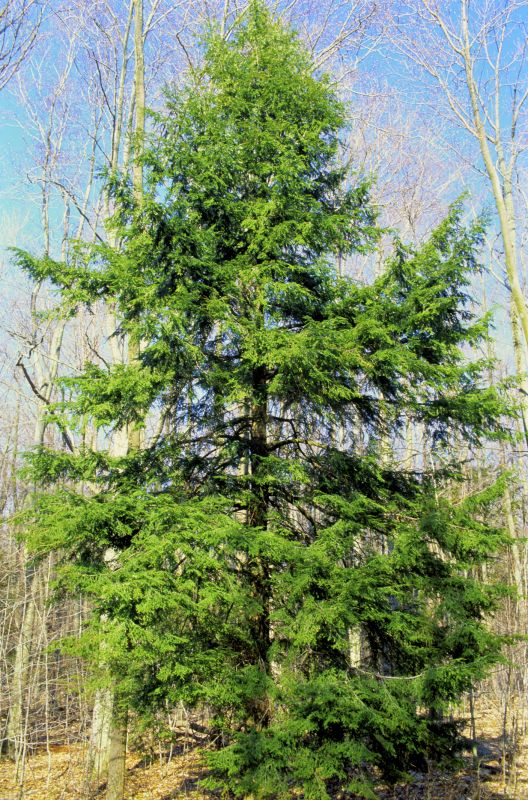
Removing damaged or diseased hemlocks helps protect the health of surrounding trees and maintains landscape safety.
Hemlock Removal Process
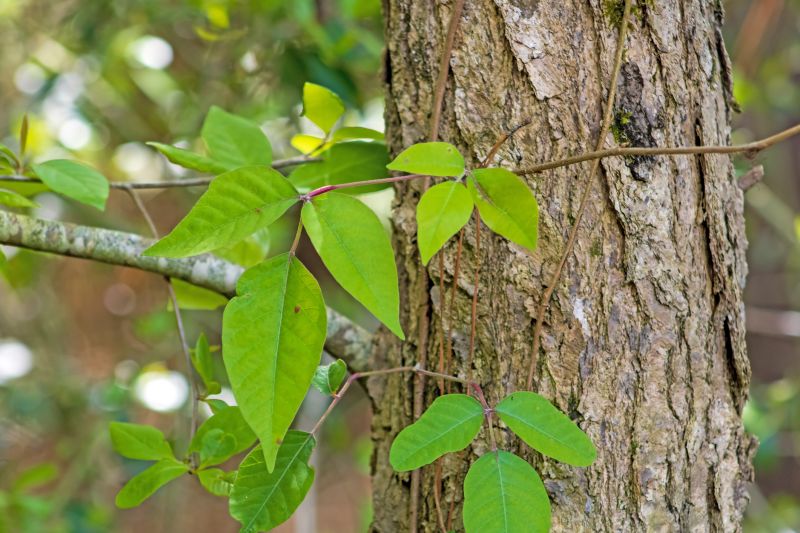
Professional removal involves careful planning to safely eliminate the tree and minimize impact on the property.
Benefits Of Hemlock Removal
Clearing out problematic hemlocks can improve curb appeal and create space for new landscaping opportunities in lancaster area homes.
Hemlock Removal in Lancaster, PA
Hemlock removal services involve the safe and efficient elimination of hemlock trees from residential or commercial properties. This process typically includes assessing the size and location of the hemlock, planning the best approach for removal, and using appropriate equipment to carefully cut and remove the tree without causing damage to surrounding landscaping or structures. Projects may range from removing a single problematic tree to clearing multiple hemlocks that pose safety concerns or hinder property development. Property owners often seek this service to improve safety, prevent tree-related damage, or prepare land for new construction or landscaping.
Before requesting hemlock removal, property owners usually want to understand the scope of work, including how the removal will be carried out and what to expect during the process. It’s helpful to consider the size and health of the trees, as well as any potential challenges posed by nearby structures, power lines, or other vegetation. Clarifying these details can ensure the removal process aligns with property goals and minimizes disruption. Proper planning and communication can help achieve a safe and effective removal tailored to the specific needs of the property.
Many property owners in Lancaster, PA look into Hemlock Removal for repairs, replacements, upgrades, and appearance-related improvements.
Common Hemlock Removal Jobs
Hemlock Removal - removal of invasive hemlock trees to protect healthy landscape areas.
Hemlock Stump Grinding - grinding down stumps to prevent regrowth and improve yard safety.
Hemlock Tree Trimming - pruning hemlock trees to maintain health and desired shape.
Hemlock Disease Management - identifying and treating hemlock trees affected by pests or disease.
Hemlock Clearing - removing dense hemlock stands to open up space for other plantings.
Hemlock Preservation - selectively removing damaged or hazardous trees while maintaining healthy ones.
Hemlock Removal Questions
Why should Hemlock trees be removed? Hemlock removal is recommended when the trees pose safety hazards, are diseased, or are causing damage to nearby structures or landscaping.
What signs indicate a Hemlock tree needs removal? Signs include dieback, extensive pest infestation, root issues, or structural instability.
Is Hemlock removal necessary for healthy trees? Removal is typically only necessary if the tree is unhealthy, hazardous, or interfering with property features.
What are common reasons for removing Hemlocks? Common reasons include disease, storm damage, proximity to buildings, or to improve landscape safety and aesthetics.
Request Hemlock Removal in Lancaster, PA
Use the quote form on this page to share the basics of your project and request more information for the type of work you need.